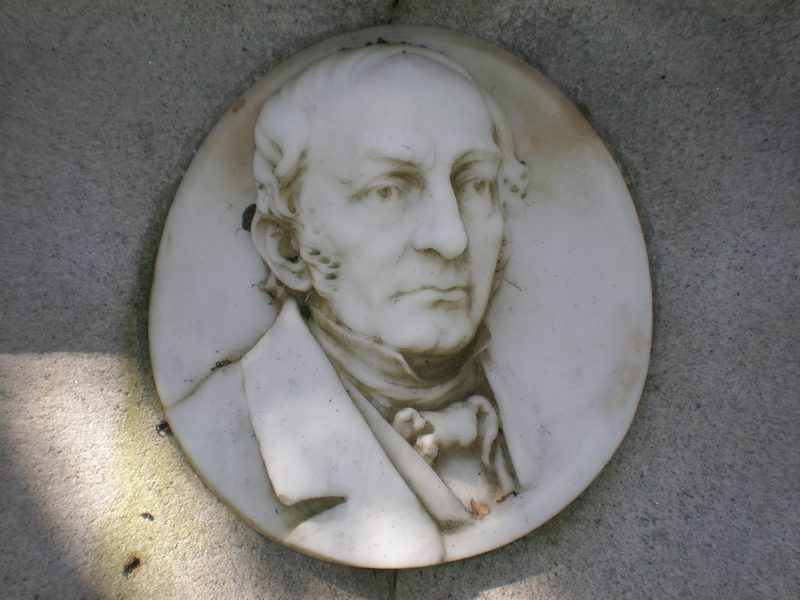
The negotiated alternative
Thomas Oliver Larkin was the U.S. consul at Monterey and a merchant with deep ties to Californio society. President Polk's administration wanted California, but Larkin pursued influence through relationships and persuasion rather than an immediate military occupation.
His correspondence shows how annexation could be framed as a local choice while being encouraged by a powerful neighboring state. That does not make Larkin identical to the men who seized Sonoma. It does show that diplomacy, commerce, and expansion were already interwoven before the first shots.
The Bear Flag Revolt made a negotiated transfer harder to control. Once settlers declared a republic and U.S. naval officers raised the national flag, the future was no longer being arranged in private letters alone.