The unsigned author
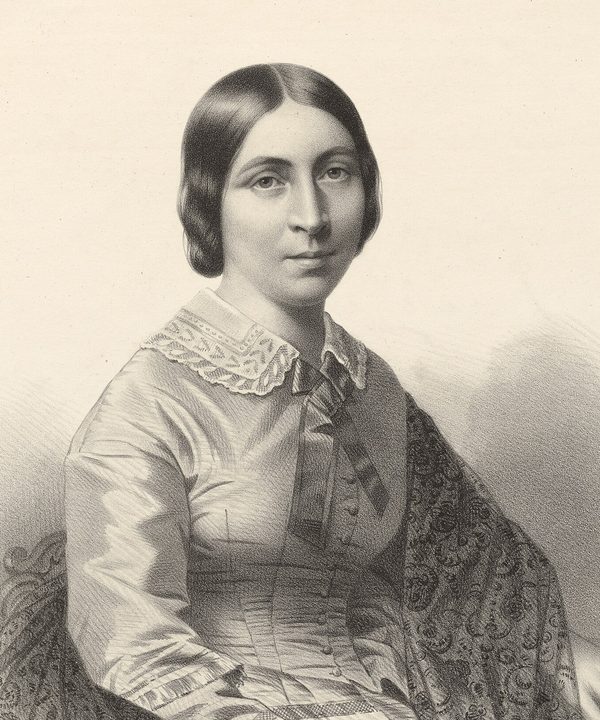
Jessie Benton grew up inside Washington politics, the daughter of Thomas Hart Benton, Missouri's senator and one of the most forceful advocates of western expansion in Congress. At seventeen, over her parents' objections, she married John Charles Frémont, a young officer of the Topographical Engineers. After his first expedition in 1842 she became his recorder — he talked, she wrote — and the reports of that journey and of the 1843–44 expedition that followed were printed by the Senate, sold widely, and turned an Army surveyor into a national figure. The second was said to have influenced western settlement more than any other single book.
She was more than a stylist. In May 1843, as Frémont prepared to leave St. Louis on his second expedition, a War Department letter arrived that she took to be a threat to his command; she sent him word to leave at once, then wrote to Washington to say what she had done. In May 1846 the Marine lieutenant Archibald Gillespie reached Frémont at Klamath Lake with copies of official dispatches and a packet of letters from Jessie and her father. What those letters said has been argued over ever since, and Benton's own papers burned with his Washington house in 1855. After an evening with Gillespie, Frémont turned back toward California. The Bear Flag went up at Sonoma five weeks later.
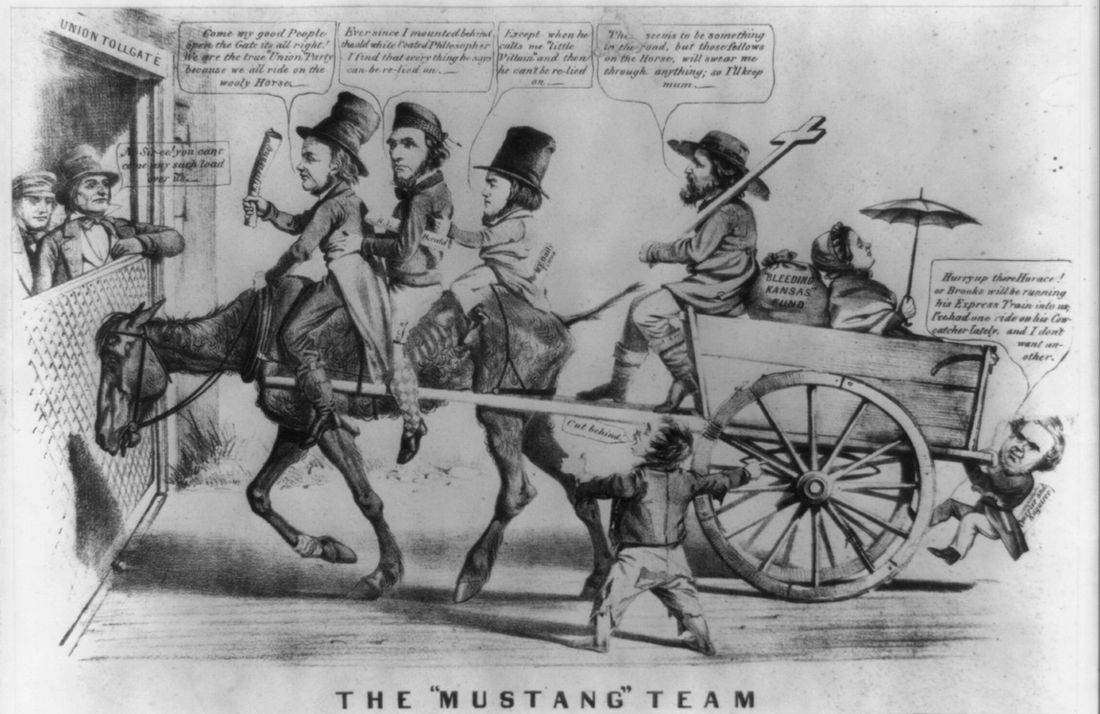
As the quarrel with Kearny travelled east, she took her husband's side of it to President Polk in person in June 1847, and she would later blame Kearny even for the death of her infant son. Frémont was court-martialed and convicted of mutiny all the same. In 1856 the first Republican presidential campaign ran on “Frémont and Jessie too”, and in 1861 she carried his case to Lincoln, who, by her account, told her she was “quite a female politician.” After Frémont's fortune collapsed in 1873 she wrote for money — magazine sketches, travel books, memoir — and she was the principal author of his Memoirs of My Life, an account of 1846 that historians still have to read, and read against.