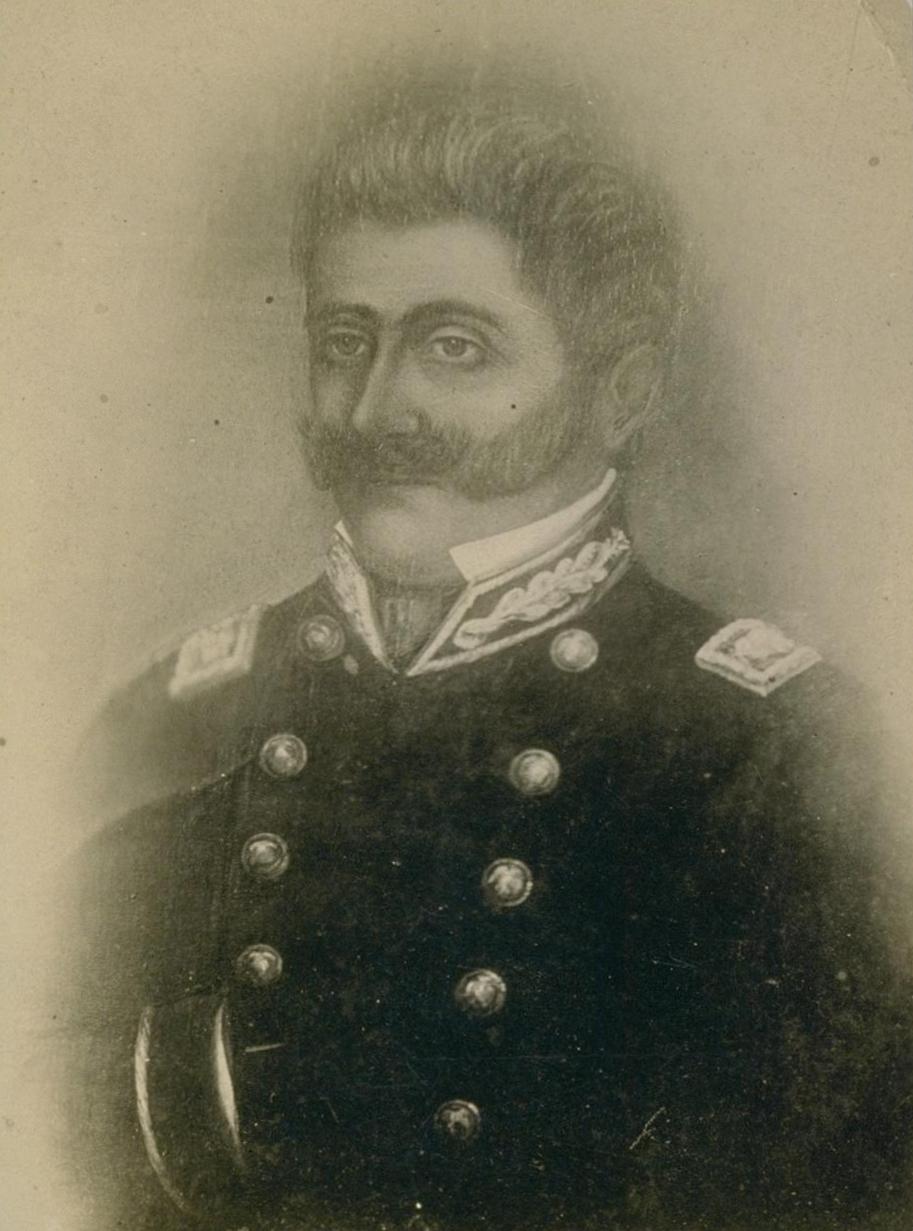
Command without resources
José Castro served as Commandante General of Alta California during the crisis that preceded the Bear Flag Revolt. He ordered Frémont to leave the province, a demand grounded in Mexican sovereignty but weakened by the reality that California had too few troops, arms, and reliable communications to enforce it.
Castro represented a Mexican state that was neither absent nor omnipotent. He could issue orders and mobilize local forces, but he also had to negotiate with Californio families, manage factional politics, and respond to American settlers whose numbers and confidence were growing.
When American forces took the coast and later defeated or dispersed Californio resistance, Castro withdrew to Mexico. His story complicates the language of “the Californios” by reminding us that local society included competing political projects, not a single native government waiting to be replaced.